
Health & safety on our sites
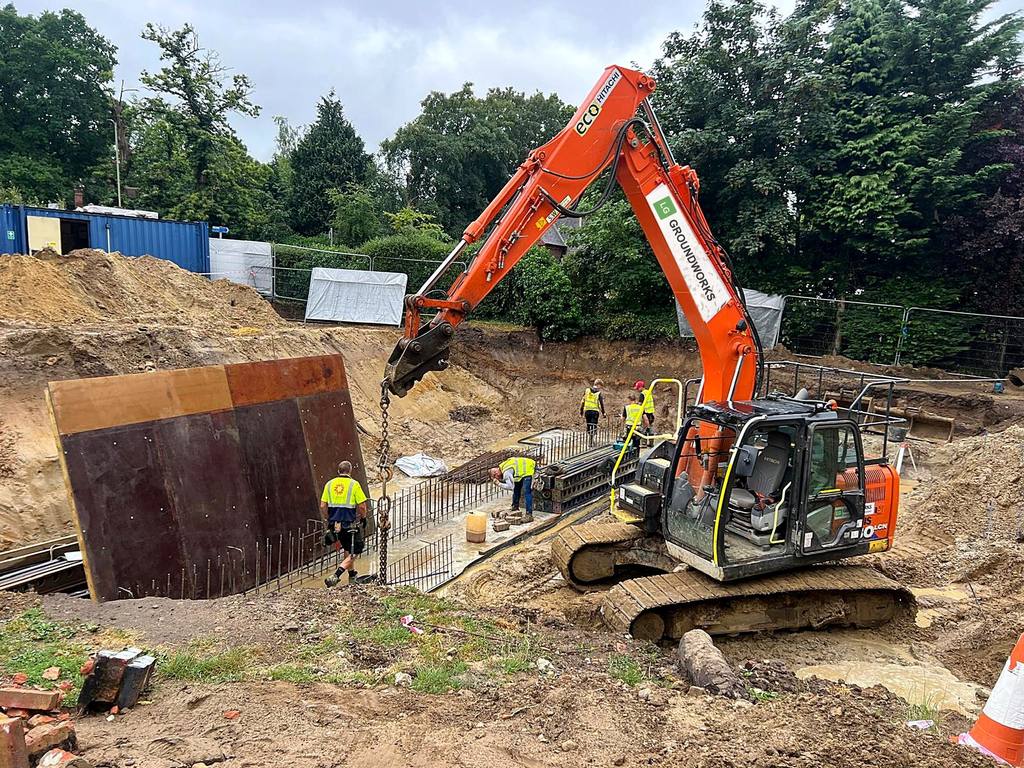
Groundworks involves deep excavations, heavy plant and buried services. Planning for safety is part of planning the job.
- PlannedRisks assessed and controlled before work starts
- PeopleDirectly employed team who know our methods
- PublicSites secured, neighbours and visitors protected
Safe sites are well-organised sites
The biggest risks in groundworks are well known: excavations collapsing, contact with buried services, people struck by plant, and work near existing buildings. We plan every job around them — from how we support a trench to where the public walk past the site gate.
Working with our own directly employed team and our own machines helps. Our people know how we work, and our plant is maintained by us.
How we manage the main risks
- ExcavationsTrench boxes, battering or engineered support so nobody works in an unsupported trench.
- Buried servicesUtility records checked and services located before digging.
- Plant & peopleExclusion zones, banksmen where needed and trained operators.
- Public & neighboursSecure fencing, clean roads and safe access past the site.
- Hazardous materialsAsbestos dealt with by licensed specialists before demolition.
- CDM 2015We take on the contractor duties that pass from domestic clients under CDM.
For homeowners
If you’re a homeowner, your duties under the Construction (Design and Management) Regulations 2015 pass to the contractor or principal contractor. You don’t need to manage site safety yourself — but you should appoint contractors who will.
More about how we work
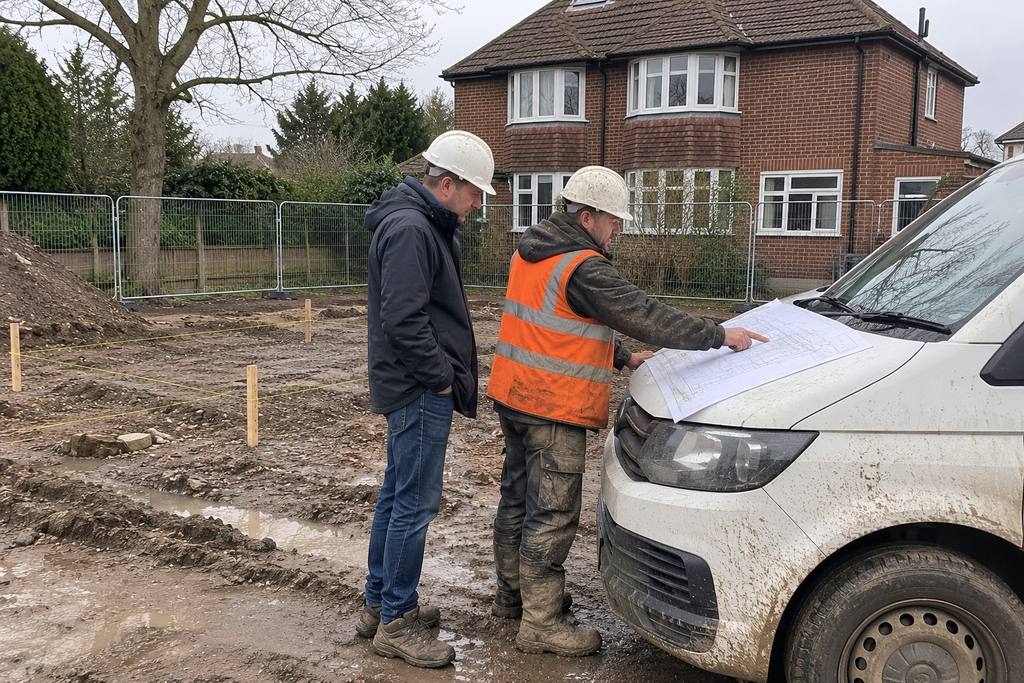
How we work
What to send, what we check, how we price and how the job runs on site.
Find out more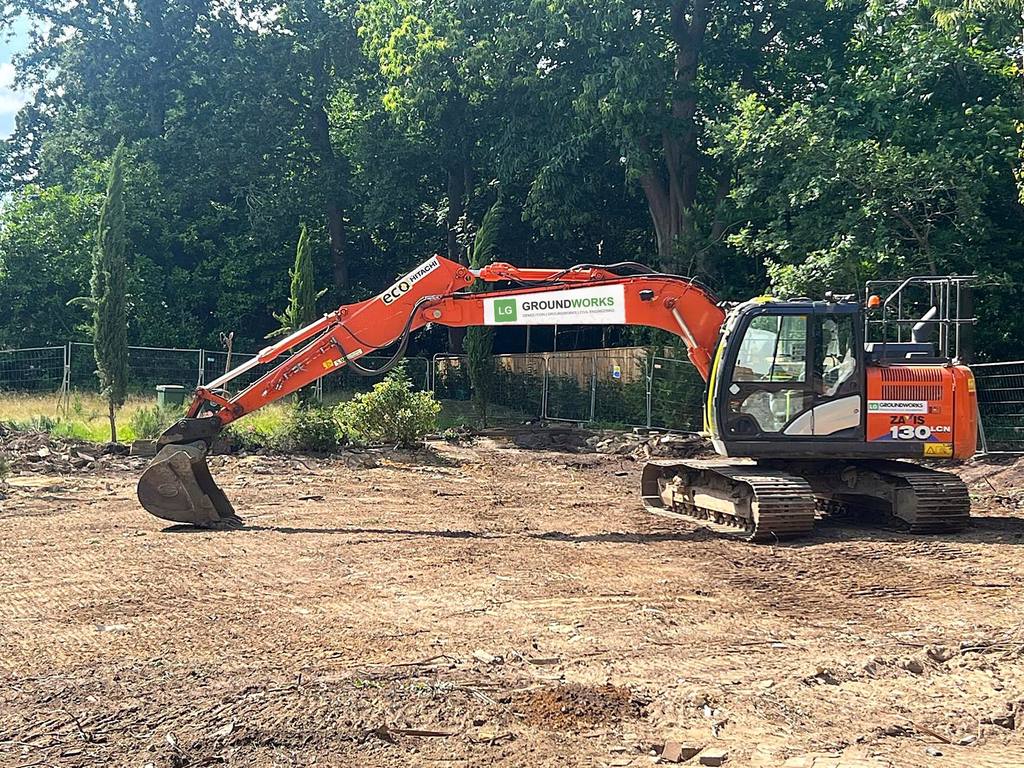
About LG Groundworks
Established 1995. Our own plant, our own people, one accountable package.
Find out more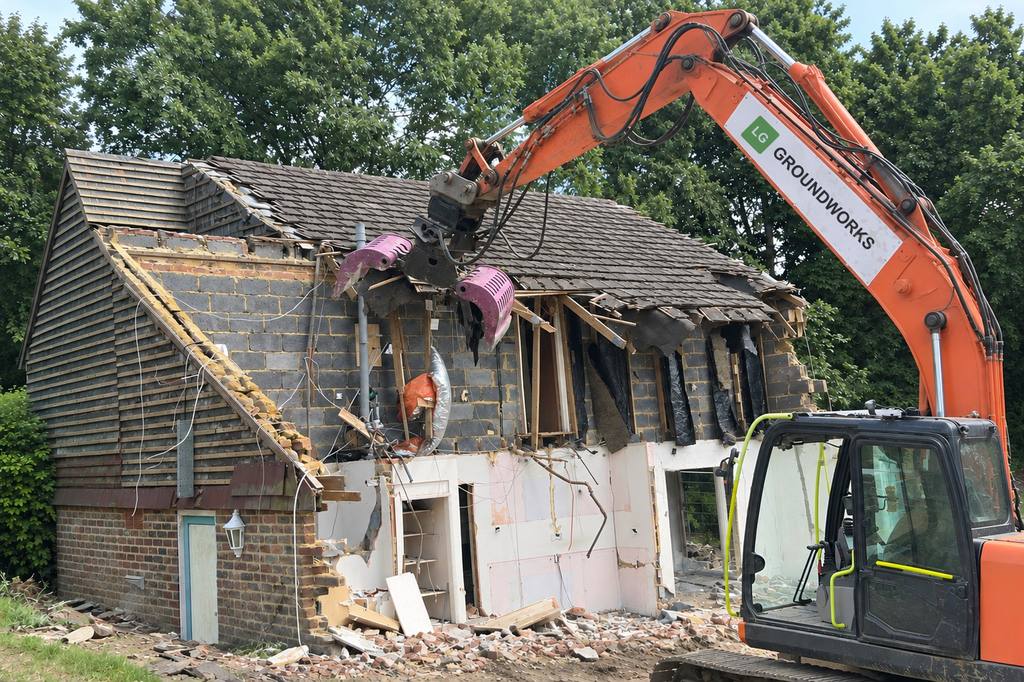
Demolition
Breakout, demolition and clearance to prepare the site for what comes next.
Find out moreLet’s talk about your project
Send us your drawings or tell us about the job and we’ll come back to you with a clear price.